


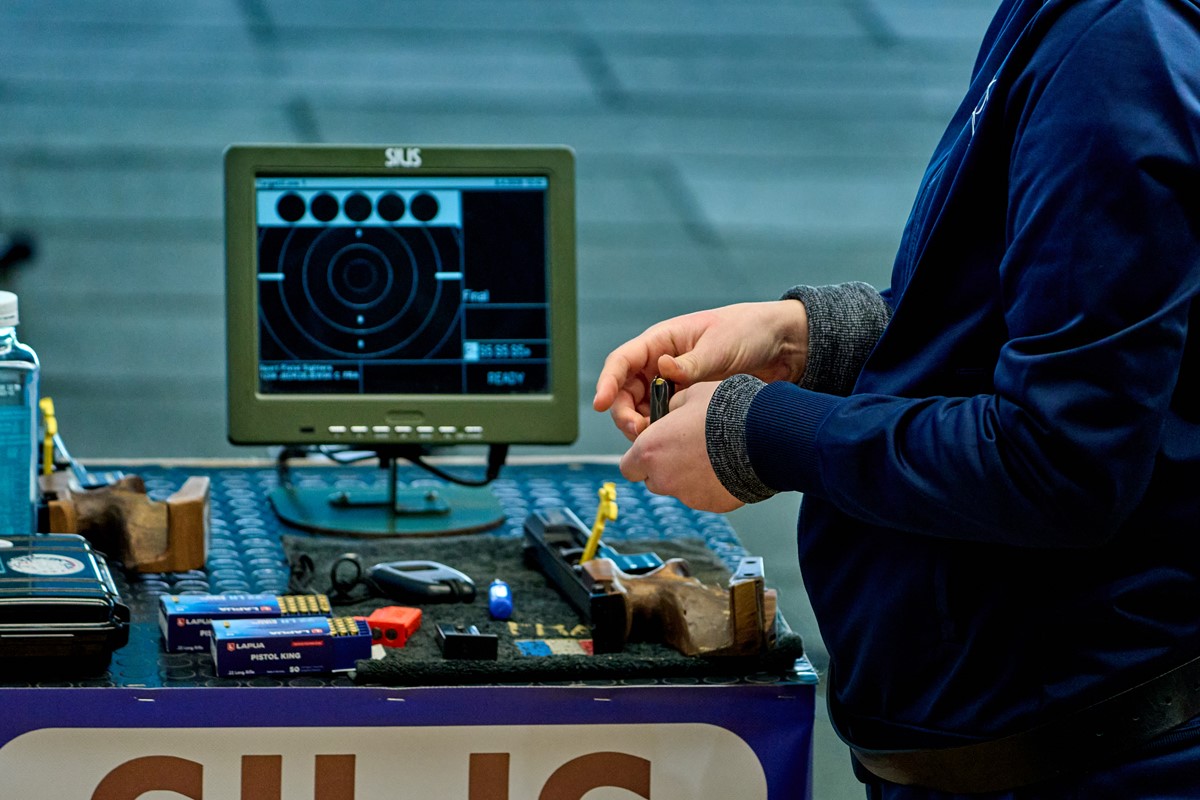
At the heart of EST lies an exceptional level of scientific precision. Modern systems measure shot placement with micrometric accuracy, detecting the exact position of a projectile as it reaches the target.
The evolution of technology has been significant:
- Early systems relied on acoustic detection, using microphones to capture sound waves generated as a projectile passed through a target membrane
- Modern systems use laser-based detection, where beams of light are interrupted by the projectile to calculate exact X and Y coordinates
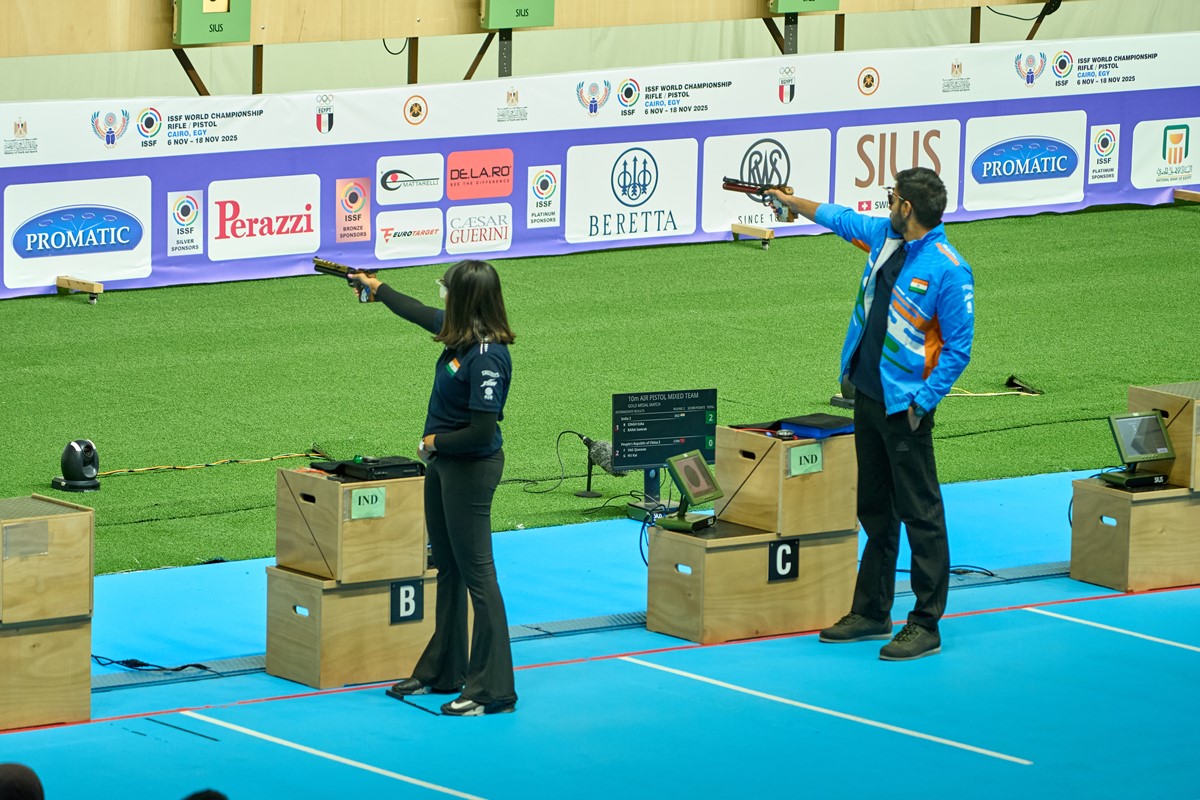
These measurements are instantaneous and precise, allowing scores — including decimal scoring in finals — to be displayed in real time.
However, ensuring accuracy goes beyond technology alone.
The ISSF has established a Target Testing Group, composed of specialists who rigorously verify system performance. A key method used is photogrammetry, an independent validation process:
- A calibrated paper target is placed in front of the EST
- After each shot, three digital cameras capture the bullet hole
- Using a grid system, the exact position is calculated
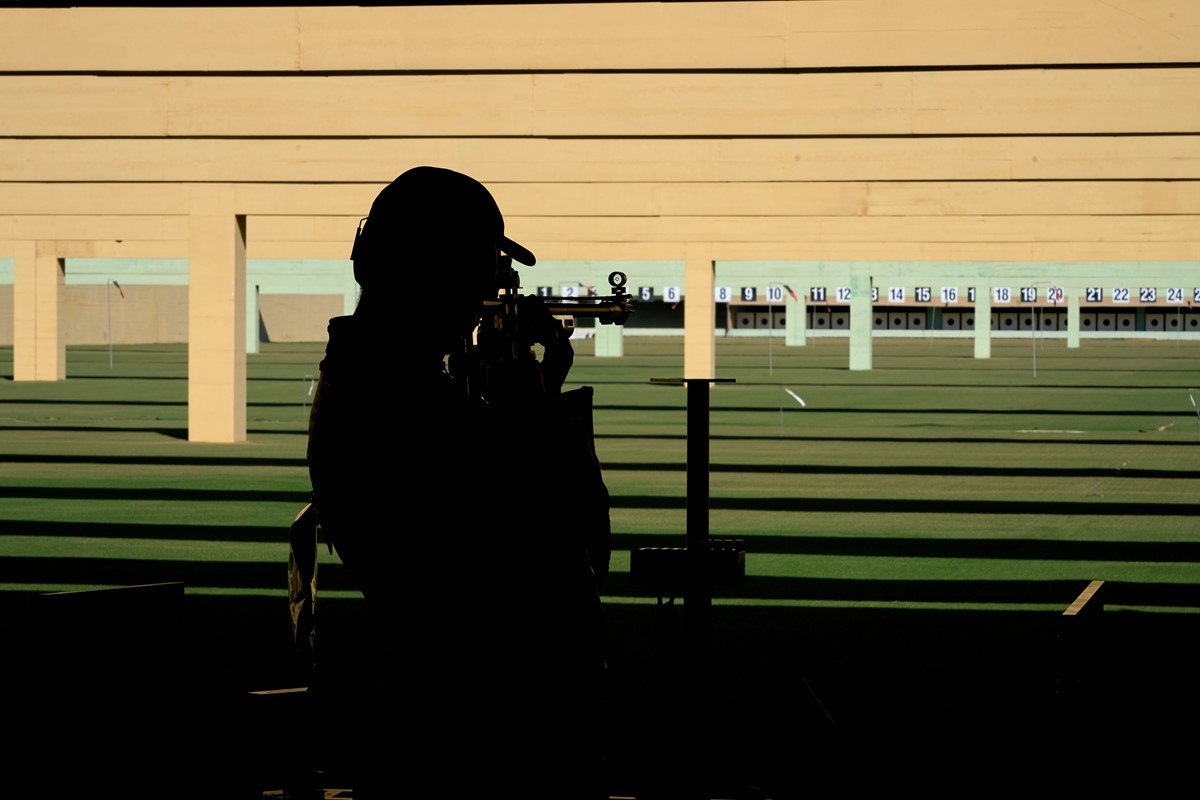
This dual-verification system ensures that electronic scoring remains fully reliable and scientifically validated, with methodologies confirmed by independent universities.
Behind the scenes, reliability is further ensured through:
- Sensors sampling hundreds of thousands of times per second
- Built-in redundancy and error-correction systems
- Pre- and post-competition maintenance and testing
- Continuous monitoring by experienced technicians
As Thomas Walti, CEO of Sius, explains, delivering flawless performance over competitions involving tens of thousands of shots requires both advanced engineering and highly skilled human oversight.