



Through insights from Paul Gumn, member of the ISSF Technical Committee, and Thomas Walti, CEO of SIUS, as well as ISSF educational materials, we explore how technology has transformed precision judging in shooting sport.
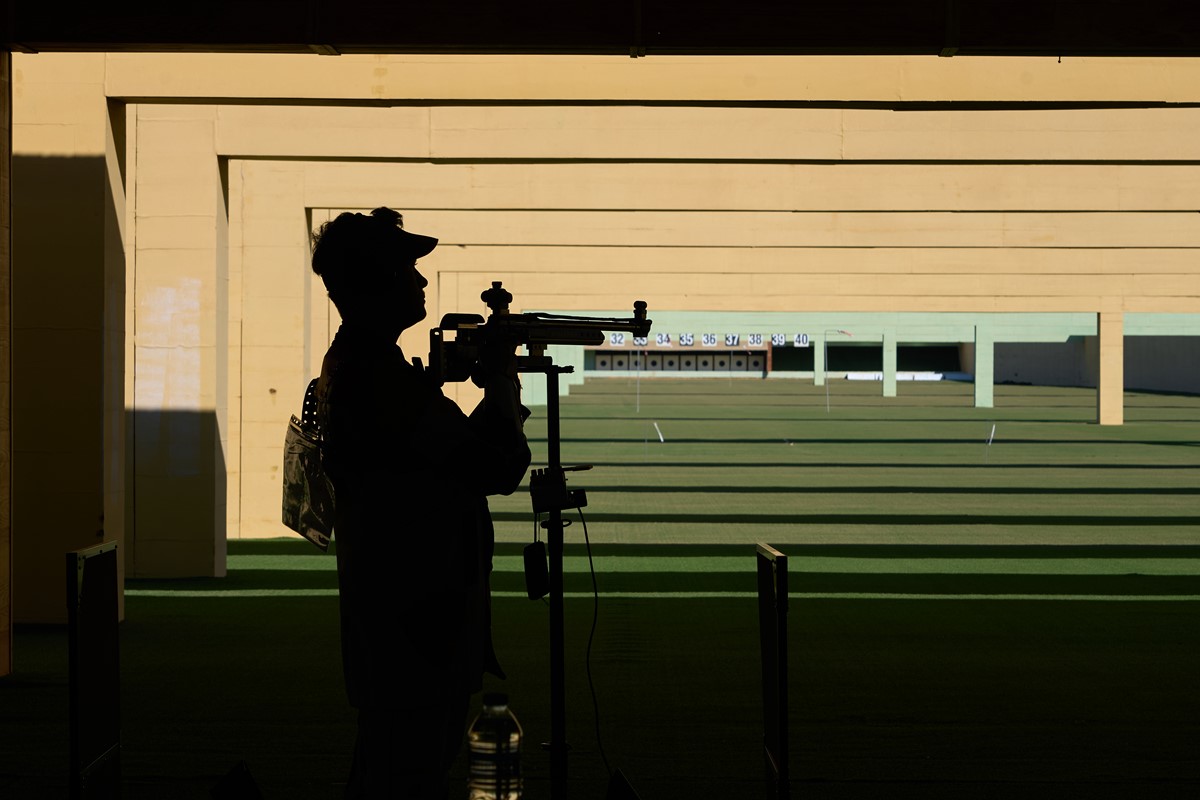
From innovation to Olympic necessity
Electronic scoring systems are not just a technological upgrade — they are fundamental to the sport’s place in the modern Olympic landscape.
The first major introduction came at the 1992 Olympic Games, marking a turning point for shooting sport. For the first time, spectators could follow results instantly, dramatically improving the viewing experience. However, this innovation also came with early challenges.
During the test event, issues were identified in score evaluation for 10m targets, later resolved through technical adjustments. In another notable incident during the 50m Free Pistol Final, a shot initially appeared not to register, leading to a detailed investigation. It was ultimately confirmed that the issue was not with the system, but with the athlete’s equipment.
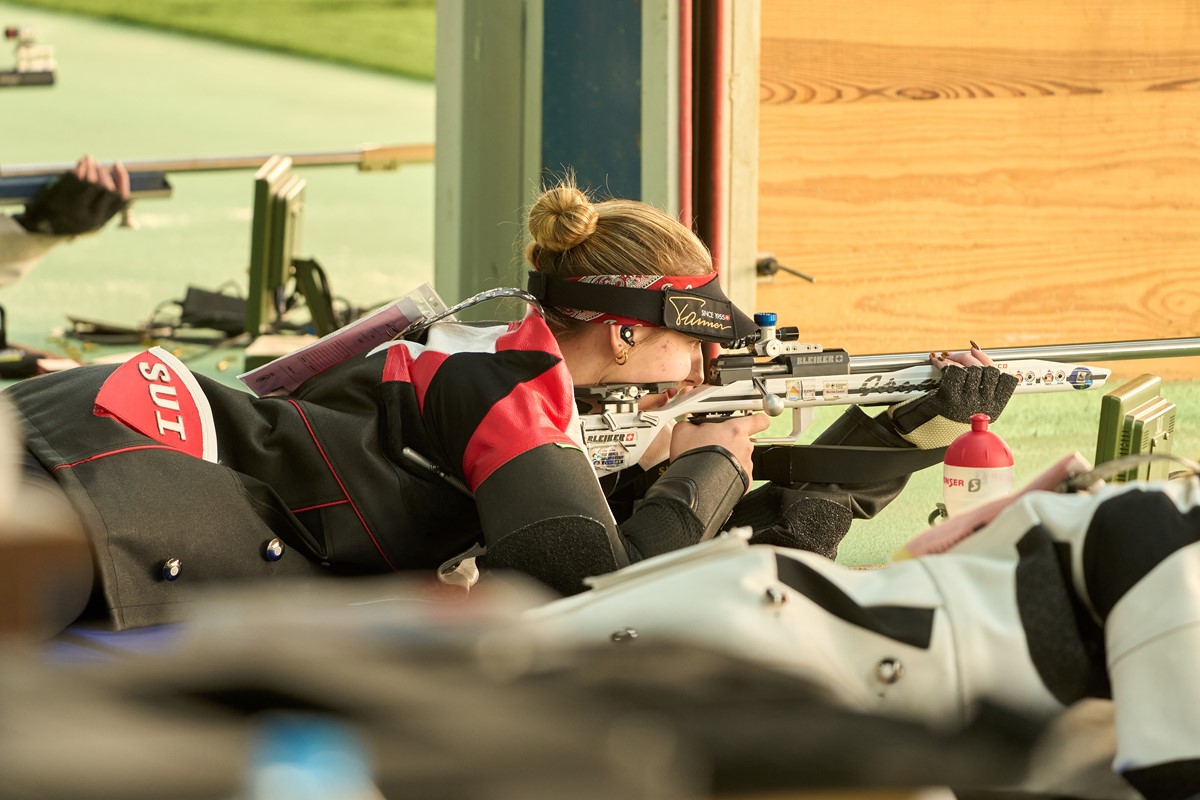
These early experiences were critical. They led the ISSF to develop robust procedures and protocols to handle all potential scenarios — from equipment malfunctions to athlete-related errors.
“Without EST we would not be an Olympic Sport,” explains Paul Gumn.
By the 1994 World Championships in Milan, electronic systems were further expanded, including the introduction of 25m targets. From that point forward, EST became central to competition.
Importantly, across decades of use, there has never been a confirmed case of an electronic scoring system producing an incorrect shot value by computation at a major event — an extraordinary record that highlights the reliability of the technology.