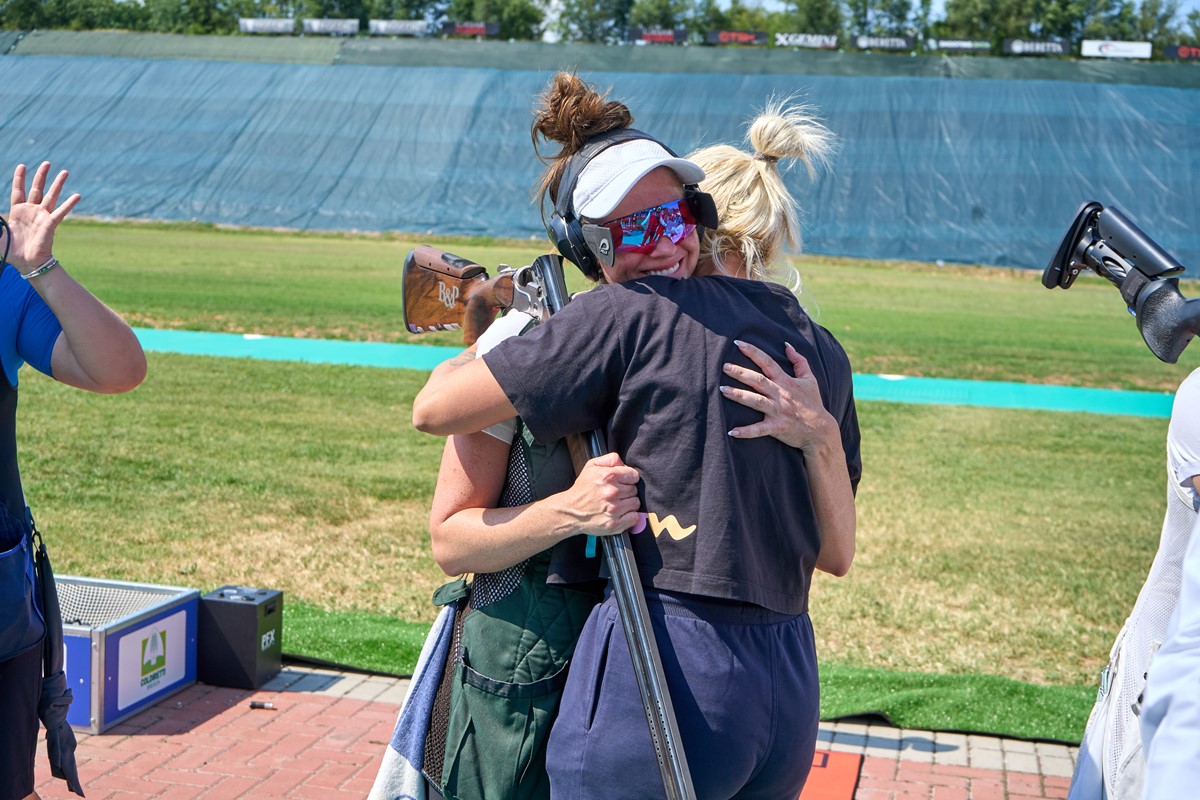
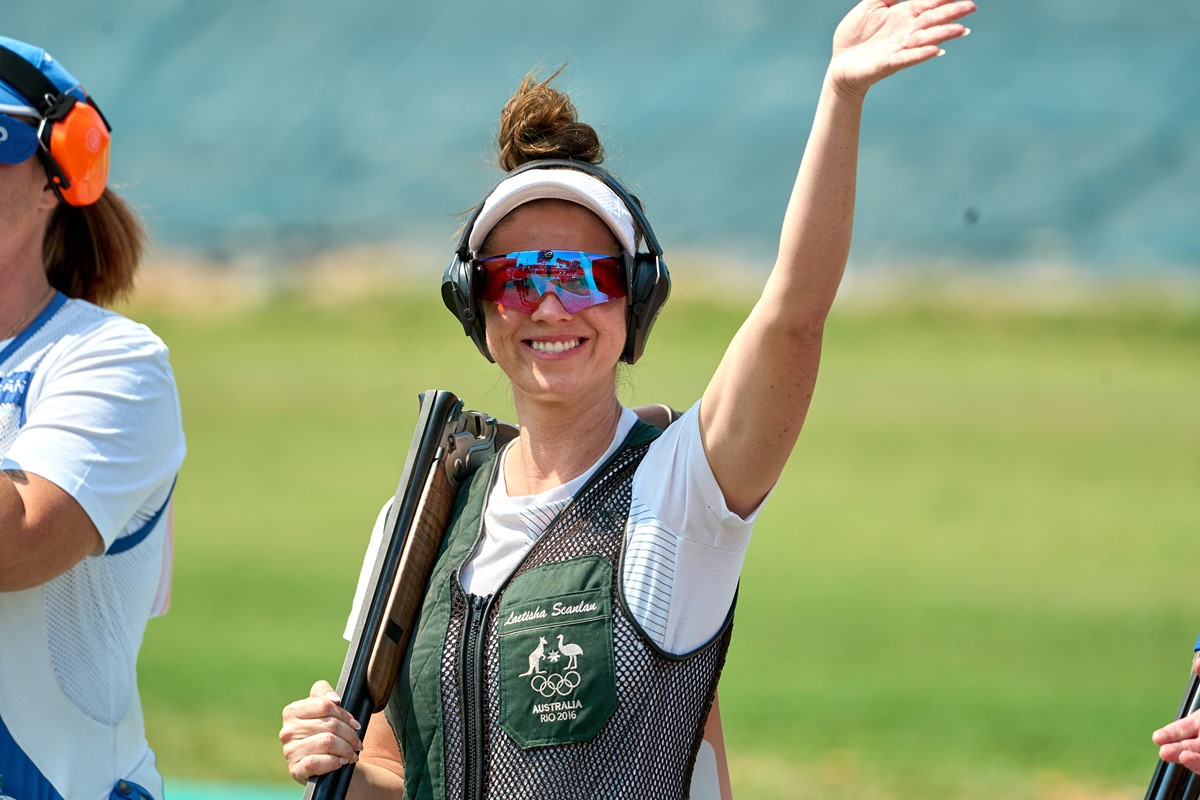
International Women’s Day highlights inclusion across sport. In your view, what does inclusion mean in precision sport?
Inclusion in precision sport means equal opportunity to participate, compete, and excel based on your skill. In the shooting sports, performance is determined by discipline, technique, and mental strength rather than physical dominance or gender, which makes it uniquely positioned to showcase true sporting equality.
As an elite athlete, how have you experienced the evolution of opportunities for women in shooting sport?
Over the past 10 years, I’ve seen real, steady progress. Early on, opportunities felt more limited, fewer events, less visibility, and sometimes the sense that women’s competition was slightly “secondary.”
I feel like this perception has shifted. Under the leadership of bodies like the International Shooting Sport Federation, we’ve seen stronger parity in event structures and representation at major championships and the Olympic Games.
But beyond structure, what I’ve noticed most is more respect. Today, the conversations about women’s shooting sports are about performance, preparation, and results. That shift in mindset has been just as important as the structural changes.
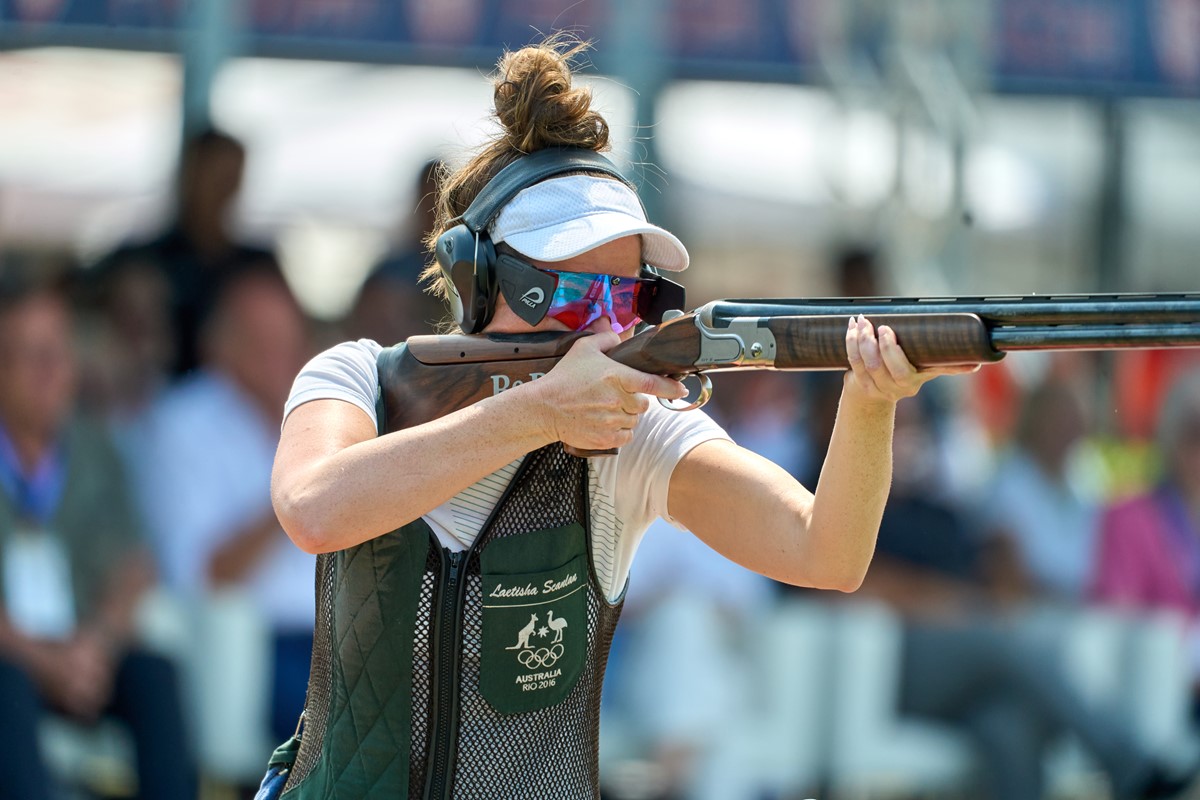
I would tell them this: if you love a sport that constantly challenges you and you’re willing to put in the time and commitment, this sport can take you places and you can meet so many great people along the way.
Shooting teaches you control, discipline, and resilience. All fantastic qualities that are transferable outside the sport into everyday life.
How do mixed team events contribute to a sense of equality and shared responsibility in competition?
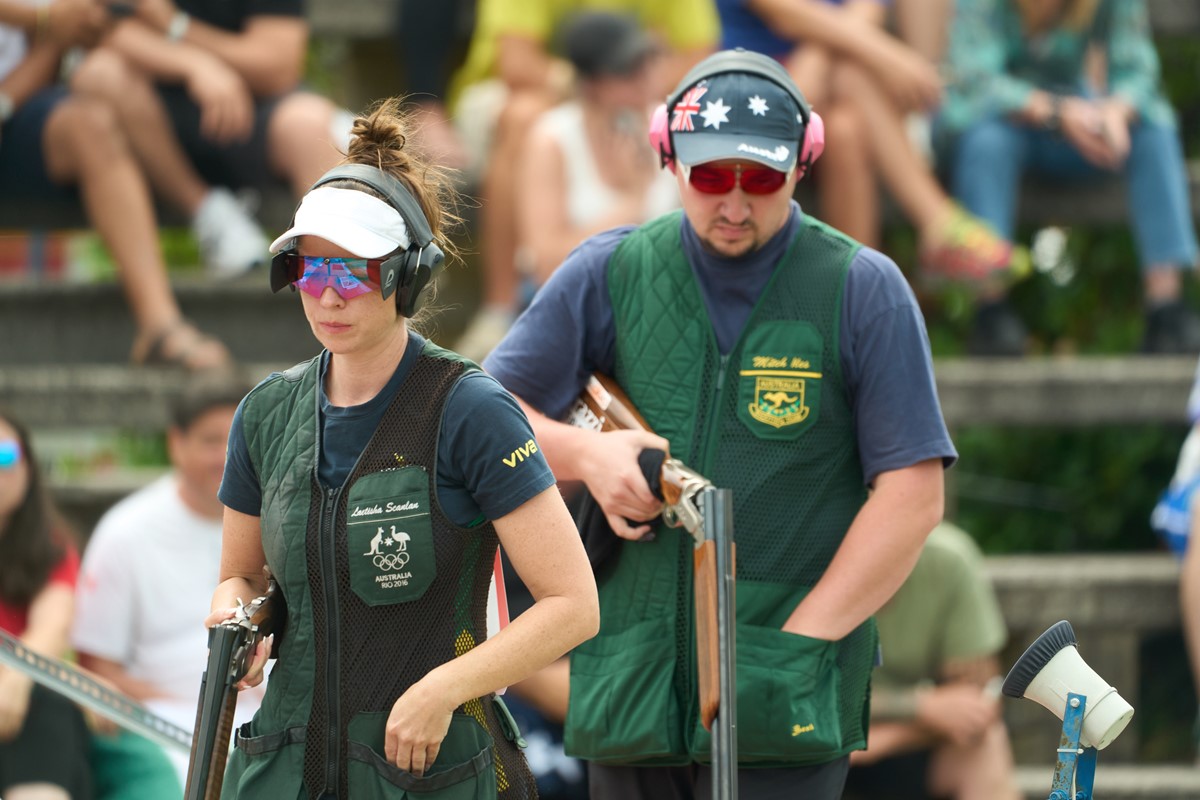
Mixed team events are a great inclusion into the program. When you stand on the line with a teammate, there’s no “men’s score” or “women’s score” — there’s just the team score.
Every shot counts the same. Every mistake and every great moment is shared. That dynamic builds mutual respect very quickly.
You rely on each other equally. You celebrate equally. And if things don’t go well, you own it together. It’s a simple but powerful demonstration that performance and responsibility are shared.
How important is visibility of women in leadership positions for the next generation?
Very important — when young female athletes see women as coaches, jury members, federation leaders, or mentors, it expands their understanding of what is possible for them in the future. It shows that a career in shooting doesn’t end when competition ends.
Looking ahead, what priorities should shape the future of inclusion in international shooting sport?
We should continue to promote and protect equal competitive structures, but we must also focus on grassroots access. Talent is everywhere, but opportunity is not always evenly distributed. The more accessible we make the sport, the stronger it becomes overall.
Above all, we should protect the integrity of competition. Shooting has always been respected because results are objective.
If we stay committed to fairness, equal opportunity, and excellence, inclusion will continue to strengthen the sport.