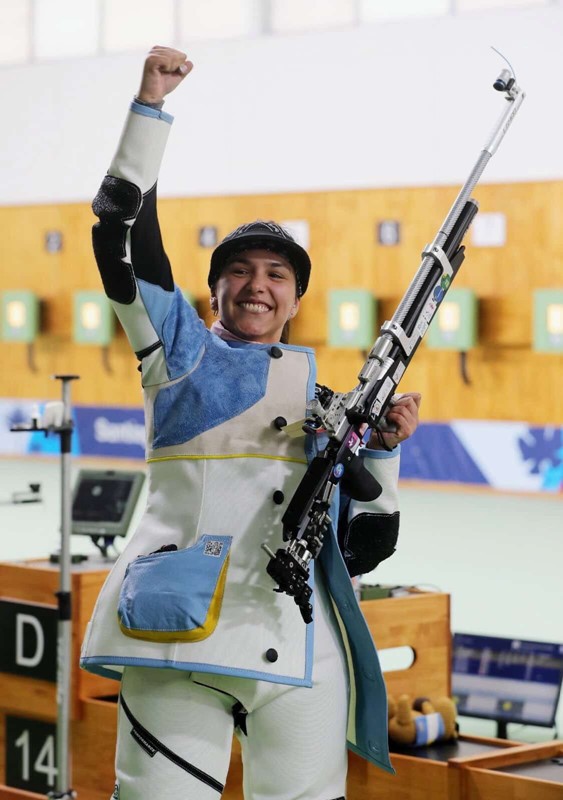
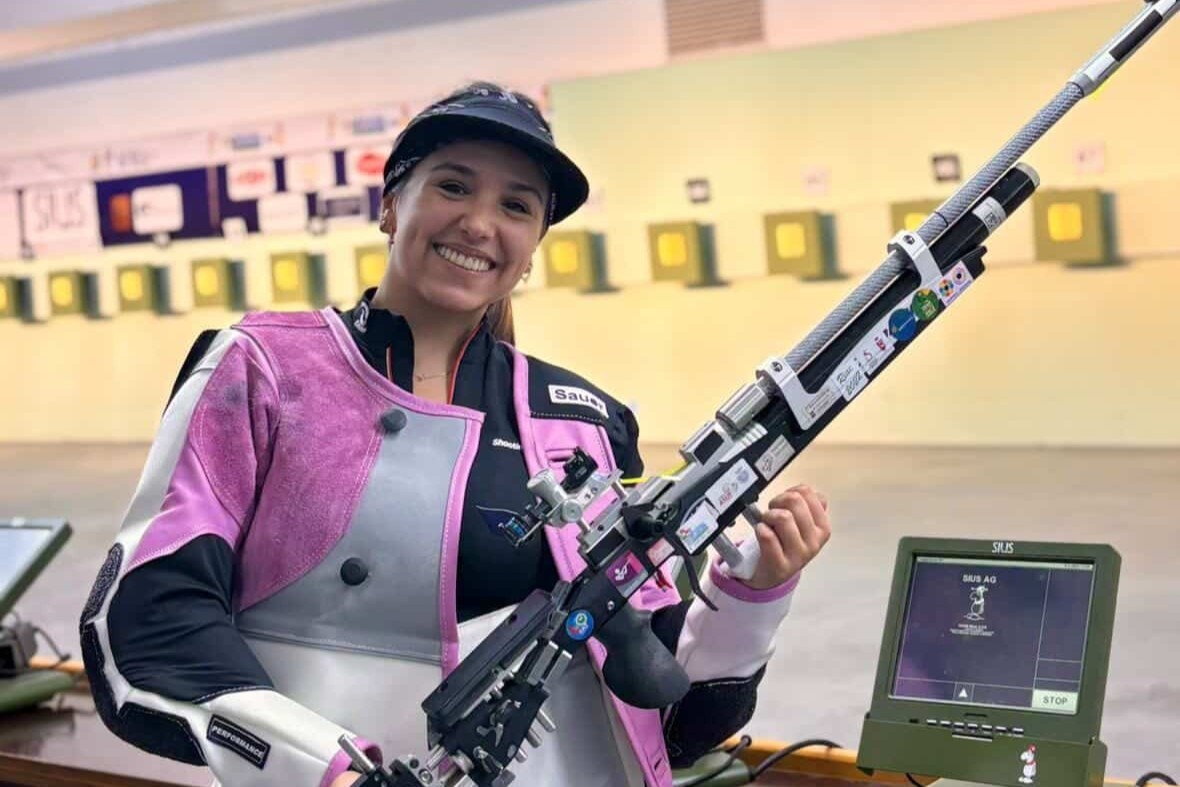
International Women’s Day highlights inclusion across sport. In your view, what does inclusion mean in precision sport?
Inclusion in precision sport means true equality of opportunity — equal access to training, competition, resources, visibility and leadership roles. Shooting sport is unique because physical strength is not the determining factor. Performance depends on mental strength, discipline and consistency. That creates a powerful space where men and women can compete on equal terms. Inclusion, to me, is about ensuring that this equality is reflected not only in the rulebook, but in culture, funding and representation.
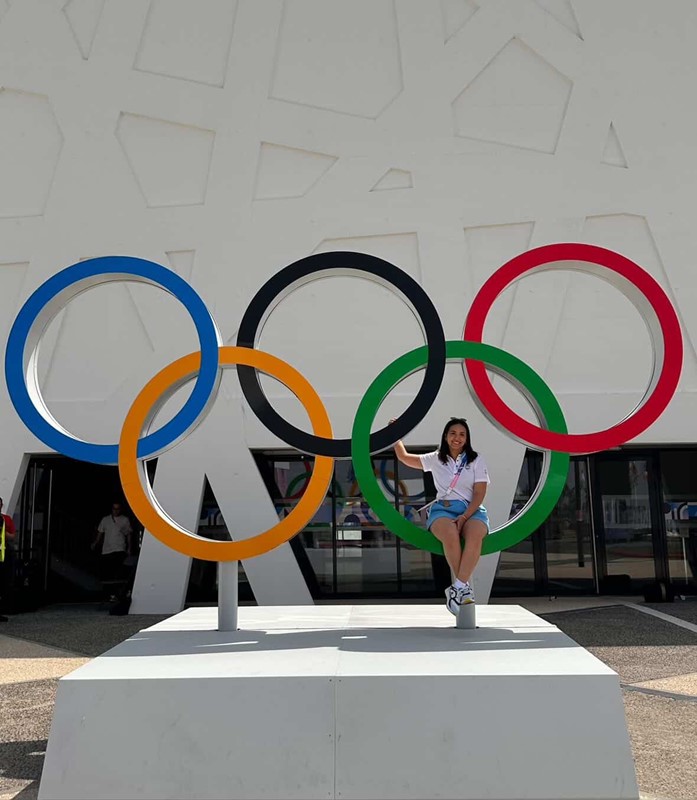
As an elite athlete, how have you experienced the evolution of opportunities for women in shooting sport?
Over the years, I’ve seen meaningful progress. The introduction and expansion of mixed team events at the Olympic level was a major step. Prize equality in national support and increased media visibility have also improved. When I started competing internationally, there were fewer conversations about gender balance in leadership and decision-making. Today, those conversations are happening — and that matters. There is still work to do, but the direction is positive and more intentional than ever
What message would you give to young girls considering entering shooting sport?
I would tell them they belong here. Shooting sport rewards focus, patience, resilience and emotional control — qualities that have nothing to do with gender. If you are passionate, disciplined and willing to work, you can reach the highest level. Don’t let stereotypes define what this sport is for you. It can take you around the world, teach you self-mastery and shape you as a leader beyond competition.
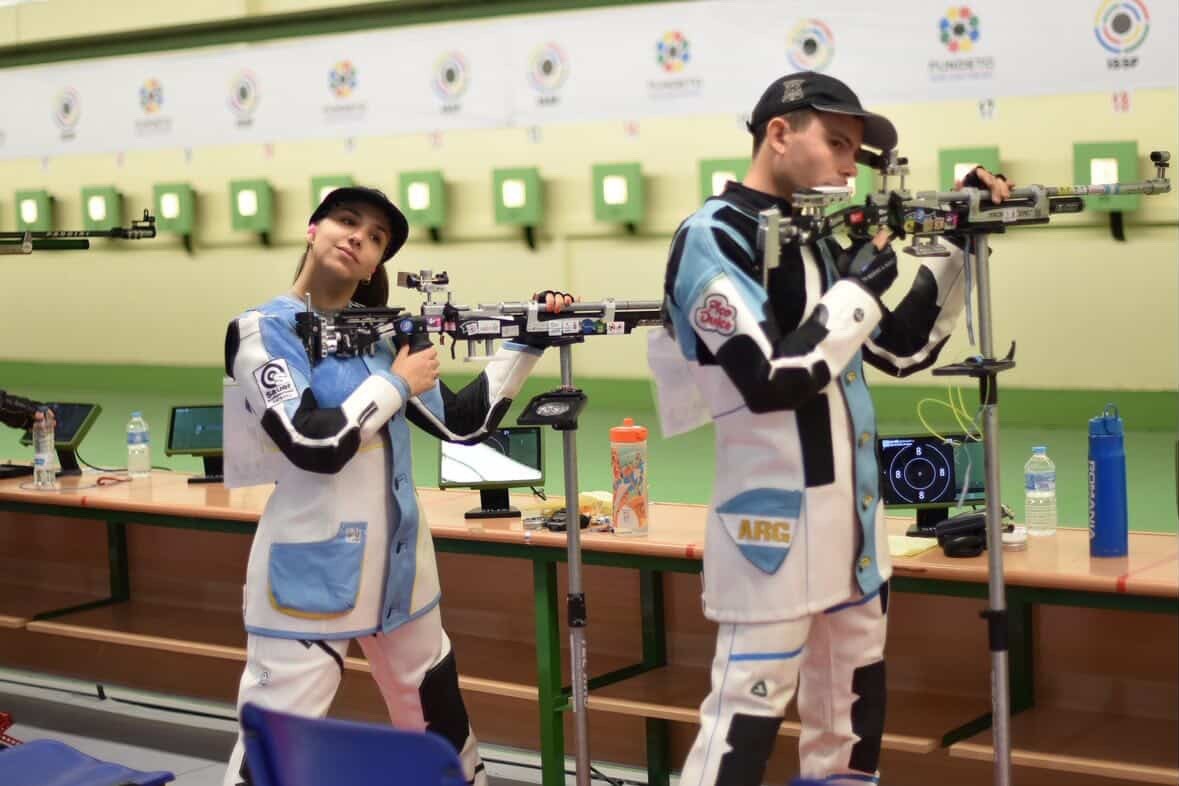
Mixed team events reinforce the idea that performance is shared. Success depends equally on both athletes — one cannot carry the other. That dynamic creates mutual respect and highlights that men and women contribute at the same level. It also sends a strong message to audiences: excellence is collaborative. In those events, responsibility, pressure and celebration are fully shared. That brings a different message to what we are used to seeing in sports in general.
How important is visibility of women in leadership positions for the next generation?
It is essential. When young athletes see women as coaches, technical officials, federation leaders, and decision-makers, they understand that their pathway in sport doesn’t end with their athletic career. Visibility expands ambition. Representation builds confidence. Leadership diversity also improves the quality of decisions because it brings broader perspectives into the room. It teaches young generations that decision-making spaces have nothing to do with gender but with capacity and preparation.
Looking ahead, what priorities should shape the future of inclusion in international shooting sport?
In my opinion, the future should focus on three priorities: equal access to development programs worldwide, stronger representation of women in governance and sustained media visibility. Inclusion must go beyond elite competitions — it has to start at grassroots level. If we build inclusive systems from the beginning, the elite level will naturally reflect that balance. The goal is not just participation, but leadership and long-term impact.