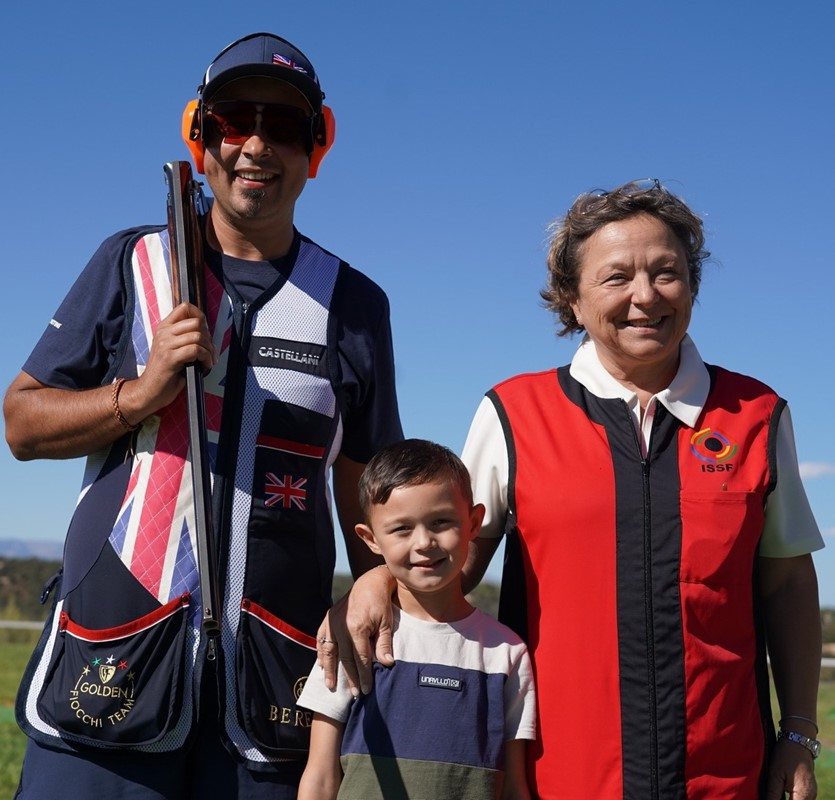
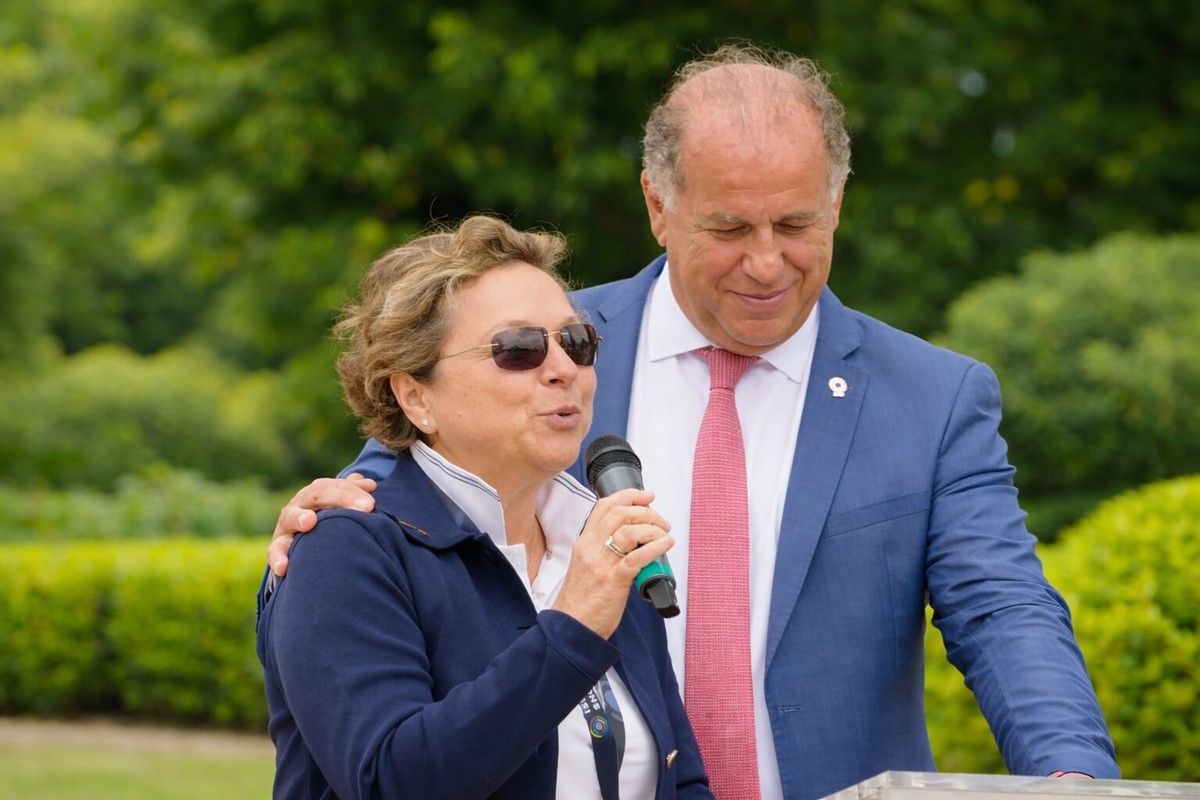
In this interview, she shares insights on gender equality, mixed team competition, leadership visibility and the structural measures shaping inclusion across the global shooting community.
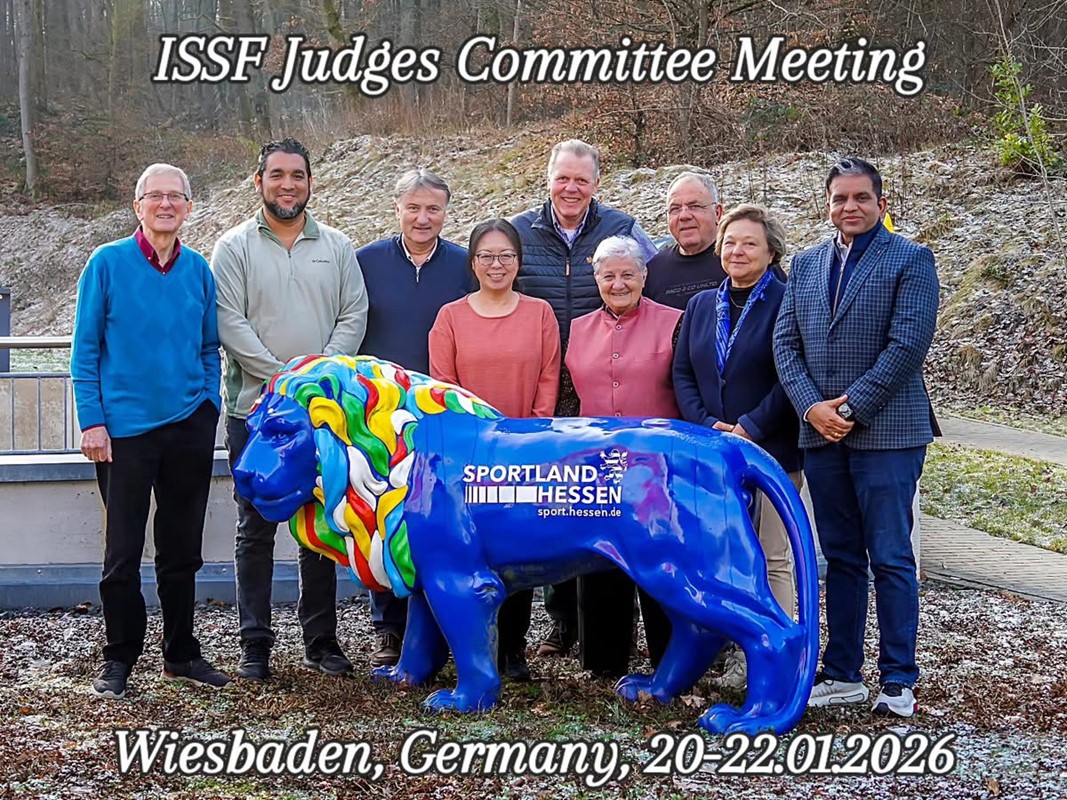
International Women’s Day highlights inclusion across sport. In your view, what does inclusion mean in shooting sport?
Inclusion in shooting sport is not simply about numbers. It is about legitimacy. It is about voice. It is about opportunity.
Shooting is one of the few Olympic sports where precision, focus, discipline and mental strength define excellence — not physical power. That alone makes our sport uniquely positioned to lead in gender equality.
Yet true inclusion goes beyond equal medal events.
It means equal access for girls at grassroots level — to ranges, coaching, and equipment.
It means equal visibility in competitions and media.
It means equal pathways into officiating, coaching, and governance.
Inclusion means that women are not only athletes on the line — but decision-makers at the table.
It also means creating an environment where every athlete and official, regardless of gender, nationality, or background, feels safe, respected, and valued. A sport built on precision must also be built on integrity.
When inclusion becomes structural — embedded in education, appointments, leadership development, and integrity systems — then equality is no longer symbolic. It becomes sustainable.
On this International Women’s Day, let us commit not only to participation, but to representation. Not only to opportunity, but to leadership.
Because when inclusion is real, our sport becomes stronger, fairer, and more credible for the generations to come.
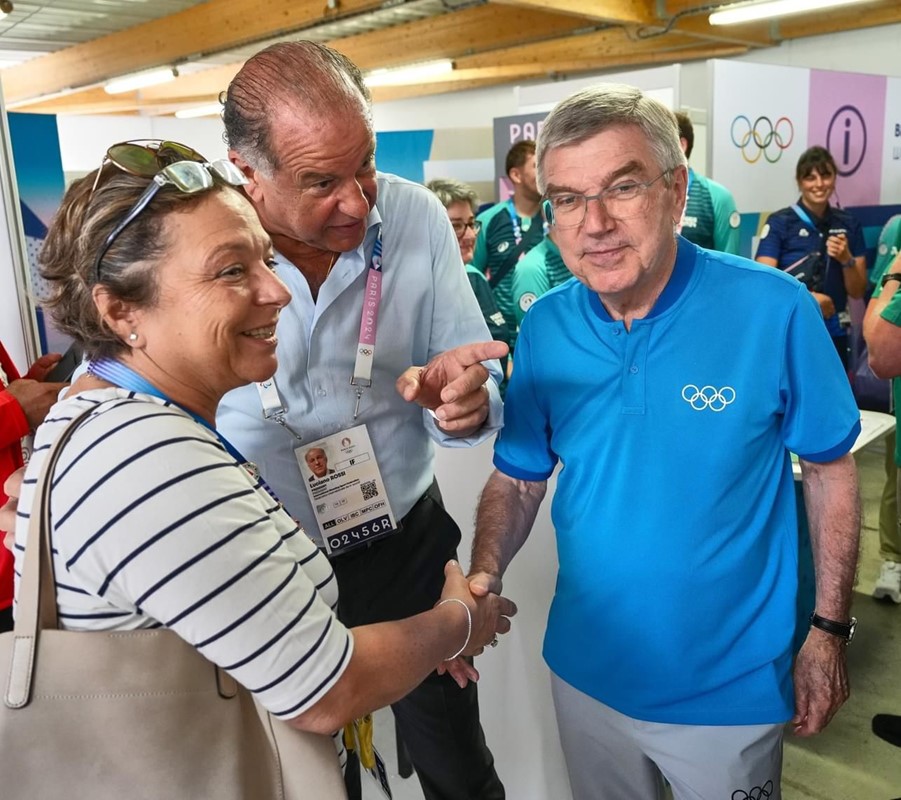
What message would you give to young girls considering entering shooting sport?
My message to young girls considering shooting sport is simple: you absolutely belong here.
Shooting is a sport built on focus, discipline, courage, and self-control — qualities that have nothing to do with physical strength and everything to do with mindset. If you are willing to work hard, stay patient, and trust the process, this sport will reward you.
It will teach you confidence. It will teach you resilience. And it will teach you how to perform under pressure — a skill that goes far beyond sport.
Do not be intimidated by stereotypes. Step onto the range with belief in yourself. There is space for you — not only as an athlete, but as a future leader in our sport.
The target does not know your gender. It only responds to your precision. And that is your power.
How do mixed team events contribute to a sense of equality and shared responsibility in competition?
Mixed team events contribute to equality in a very practical way — they place men and women on the same stage, under the same conditions, working toward one shared result.
In mixed competition, success depends on balance, communication, and mutual trust. Each athlete carries equal responsibility for the outcome. There is no hierarchy — performance from both partners matters equally.
This format reinforces an important message: excellence in shooting sport is not gender-defined. It is precision, composure, and teamwork that determine success.
Mixed team events also create powerful visibility. They show younger generations that collaboration, rather than comparison, is the future of sport.
When men and women compete together as one unit, equality stops being a principle on paper — it becomes a lived experience on the field of play.
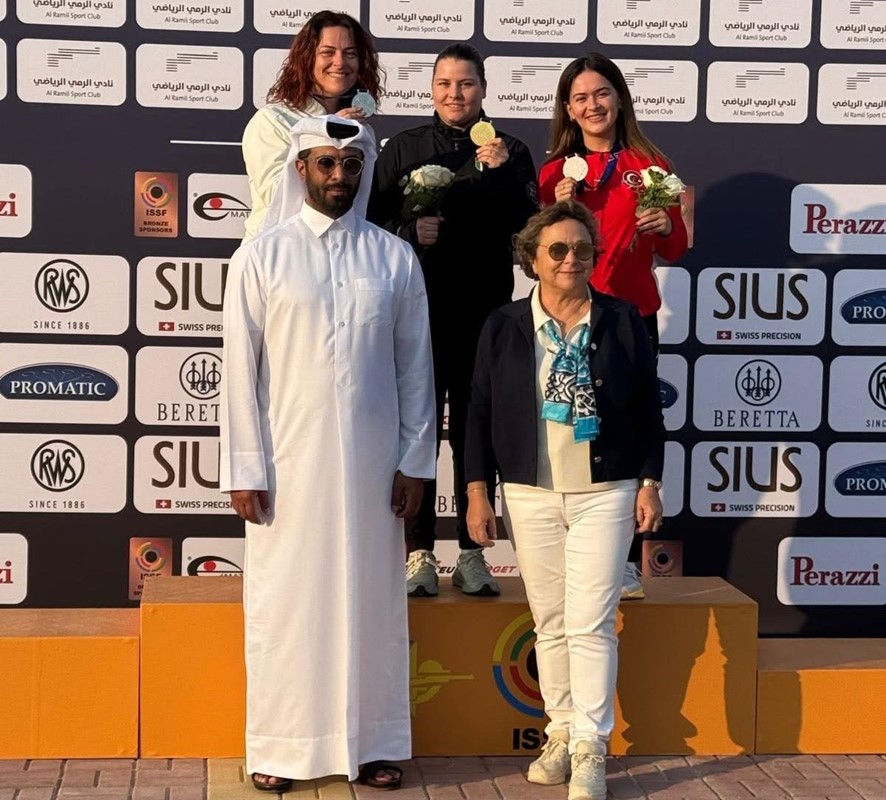
How important is visibility of women in leadership positions for the next generation?
Visibility of women in leadership positions is extremely important — not only symbolically, but structurally.
When young athletes see women serving as Technical Delegates, Jury Chairs, coaches, or members of executive bodies, it expands their sense of what is possible. Leadership becomes something attainable, not abstract.
Representation creates confidence. It tells the next generation that their pathway in shooting sport does not end when their athletic career ends — it can evolve into coaching, officiating, governance, and decision-making.
But visibility also strengthens the sport itself. Diverse leadership brings broader perspectives, better decision-making, and stronger credibility at international level.
If we want sustainable equality, young girls must not only see women winning medals — they must see women shaping the future of the sport.
That is how inclusion becomes generational.
How does the ISSF integrate gender equality principles into its governance and development programmes?
The ISSF integrates gender equality first and foremost at competition level — through equal medal events and equivalent technical conditions for men and women. That structural parity at the Olympic level is a very strong foundation.
Beyond competition, gender equality is reflected in governance frameworks and development programmes. This includes encouraging balanced representation within committees and working groups, promoting women’s participation in officiating and coaching pathways, and ensuring that education and certification programmes are accessible across all regions.
Development grants and training initiatives are also designed to support National Federations in expanding participation among women and girls at grassroots level. Digital education platforms have further helped remove geographic barriers.
Importantly, integrity and safeguarding policies reinforce an environment of respect and non-discrimination — which is essential for real inclusion.
Gender equality within the ISSF is not a single initiative; it is embedded across competition structure, education, governance, and development strategy. And like all governance principles, it requires continuous commitment and review to remain effective.
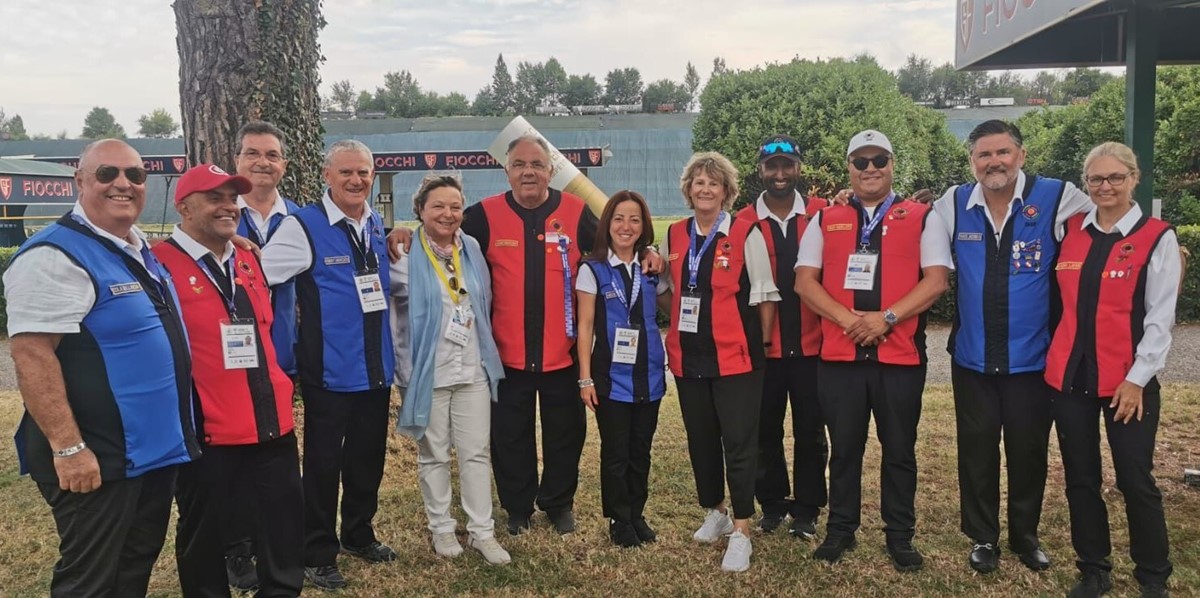
What structural measures have been most effective in promoting inclusion within the federation?
The most effective structural measures have been those that institutionalize equality rather than leaving it to informal practice.
First, equal medal events at the Olympic level have been fundamental. When equality is embedded in the competition programme itself, it sends a powerful and irreversible message.
Second, transparent education and certification systems for referees, jury members, and coaches have been very important. When pathways are standardized and merit-based, access becomes clearer and more inclusive across genders and regions.
Third, structured appointment processes and committee representation targets have helped ensure that women are present not only in participation, but in decision-making environments.
Finally, strong integrity and safeguarding frameworks create the safe environment necessary for inclusion to thrive. Without trust and protection, structural equality cannot function.
In short, the most effective measures are those written into regulations, education systems, and governance processes — because when inclusion is embedded in structure, it becomes sustainable rather than symbolic.
Looking ahead, what priorities should shape the future of inclusion in international shooting sport?
Looking ahead, the future of inclusion in international shooting sport should be shaped by three key priorities.
First, leadership pathways. We have achieved strong progress at athlete level, but the next phase must focus on ensuring balanced representation in technical committees, executive structures, and education leadership. Inclusion must extend from participation to influence.
Second, structured and accessible education systems. Standardized, transparent training and certification programmes for officials and coaches — supported by digital platforms — will ensure that opportunity is not limited by geography, resources, or networks. When pathways are clear and merit-based, inclusion becomes measurable.
Third, youth engagement and safeguarding. Encouraging girls at grassroots level, supporting National Federations in development programmes, and maintaining strong integrity frameworks will ensure that inclusion is sustainable across generations.
Ultimately, inclusion must remain embedded in governance, not treated as a campaign theme. When equality is integrated into competition structures, appointments, education, and development strategy, it strengthens credibility and unity across the global shooting community.
The future of our sport depends not only on precision on the range — but on fairness within our systems.